
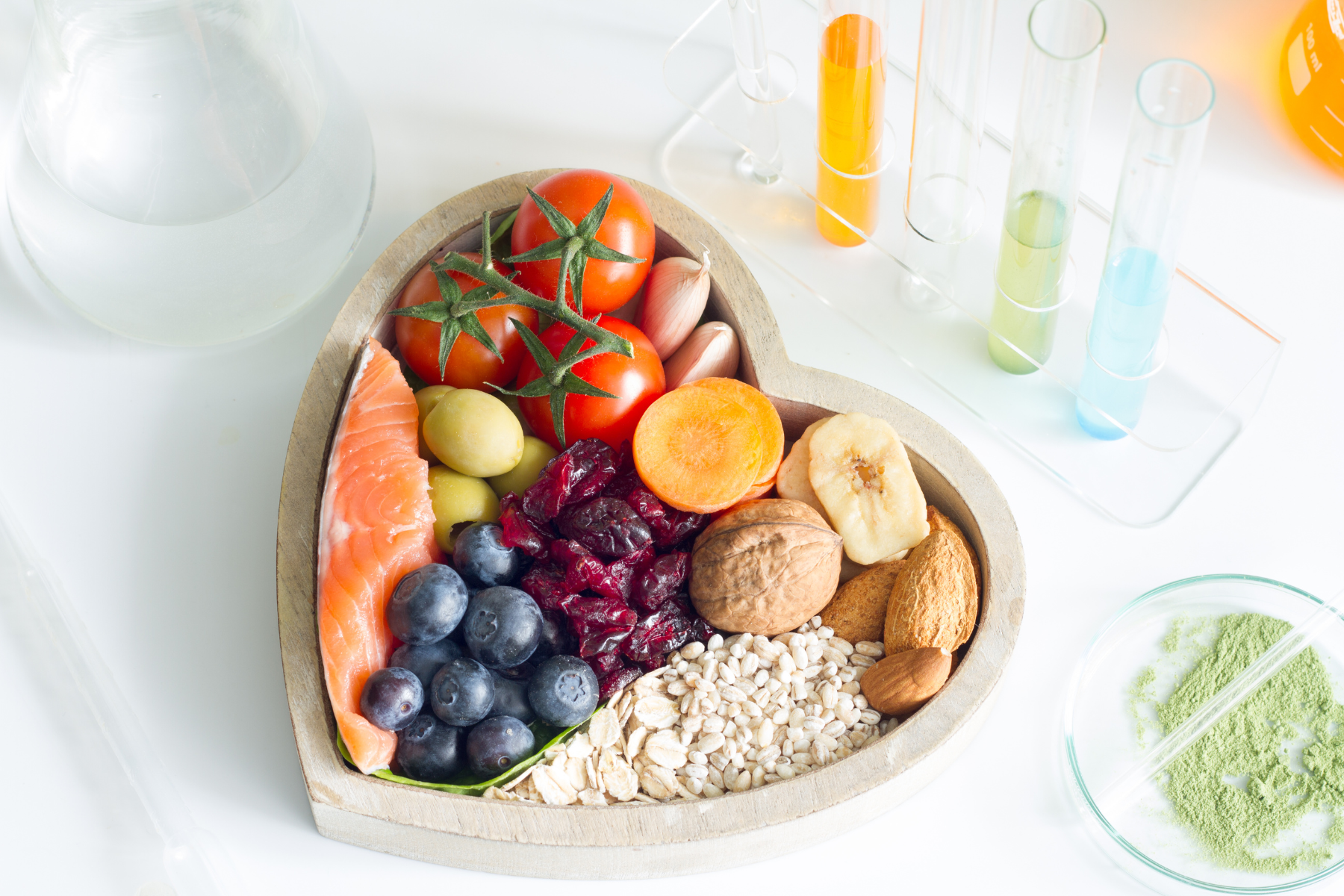
The USDA’s newly updated Dietary Guidelines mark a meaningful shift in how we think about nutrition—and they’re especially relevant for women balancing personal health, family meals, and long-term wellness.
Instead of fixating on calories or single nutrients, the new guidance emphasizes overall eating patterns that support metabolic health, stable blood sugar, and disease prevention. The core message is simple and empowering: eat real, minimally processed foods—most of the time.
Here are the key updates that matter most for women and families.
Protein: Eat More Than You Think You Need
New Guidance: Protein recommendations have increased to 1.2–1.6 g/kg of body weight per day, and previous limits on red meat have been removed. The focus is now on how food is prepared, not fear-based restrictions.
What This Means For You: Adequate protein supports muscle, hormones, metabolism, and bone health—especially important for women as we age, during pregnancy or postpartum, and in perimenopause and menopause.
How to Apply This: Aim to include a quality protein source at every meal such as grass-fed beef and chicken, wild-caught fish, pasture-raised eggs, legumes and minimally processed dairy —prepared simply and without heavy processing.
Dairy: Full-Fat Is Back (and That’s a Good Thing)
New Guidance: Full-fat, unsweetened dairy is now recommended, along with fermented foods that support a healthy gut microbiome.
What This Means For You: Low-fat dairy often meant added sugars and less satiety. Full-fat options tend to be more filling and supportive of blood sugar balance.
How to Apply This: Choose plain Greek yogurt, milk, cheese, or kefir without added sugars, up to three servings per day. Variety and moderation matter more than fat avoidance.
Added Sugar: Less Is Truly Better
New Guidance: No amount of added sugar or artificial sweeteners is recommended as part of a healthy diet. Added sugar is capped at 10 grams per meal, with strong guidance to avoid added sugar completely for children under 4.
What This Means For You: Artificial sweeteners aren’t a “free pass”—they may still impact appetite, gut bacteria diversity, and glucose regulation.
Practical takeaway: Read labels. Reduce daily reliance on sweet foods and drinks, and help kids develop a less sugar-dependent palate early on. While alternatives like stevia or monk fruit may be the best choice in limited situations, sweeteners of any kind shouldn’t be daily staples.
Pregnancy & Breastfeeding: Nutrient Demands Increase
New Guidance: Nutrient demands are heightened during this period with maternal health and healthy fetal growth especially dependent on adequate iron, folate, iodine and choline.
What This Means For You: Eat a diverse, ‘real food’ diet low in added sugar, high in protein from both plant and animal sources and choose complex carbs over refined.
Practical takeaway: Aim for 8–12 oz/week of low-mercury seafood per week, try to hit ~450+ mg/day choline and regularly include iron- rich foods. Select a high-quality prenatal supplement with methylated forms of vitamins during pregnancy and continue during breastfeeding to cover nutritional gaps.
The Big Picture Takeaway
The most important shift in these guidelines isn’t about a single food—it’s about consistency over perfection.
Healthy eating doesn’t require restriction or constant tracking. It’s built by choosing whole foods most of the time, prioritizing protein, minimizing added sugars, and focusing on meals that nourish both body and family life.
Small, sustainable choices—made daily—are what create long-term health.