
By Tamsin Jordan, Viva Eve Registered Dietitian
March is National Nutrition Month, a time to focus on how the foods we eat support our health at every stage of life. And while pregnancy nutrition gets a lot of attention, one of the most important (and often overlooked) chapters is what comes after delivery.
The postpartum period is one of the most physically and emotionally demanding transitions a woman can experience. Your body is healing from pregnancy and childbirth, hormones are rapidly shifting, sleep is disrupted, and you may be feeding a newborn around the clock.
Nutrition during this time isn’t about perfection or pressure. It’s about supporting recovery, restoring nutrient stores, stabilizing hormones, and giving your body the resources it needs to heal and function.
Here are a few key things many women aren’t told about postpartum nutrition.
Your Body Is Healing — And It Needs Fuel
Whether you had a vaginal delivery or a C-section, childbirth is a major physical event. Your body is recovering from tissue trauma, blood loss, inflammation, and hormonal shifts.
During this time, adequate nutrition is essential for healing.
Focus on meals that include:
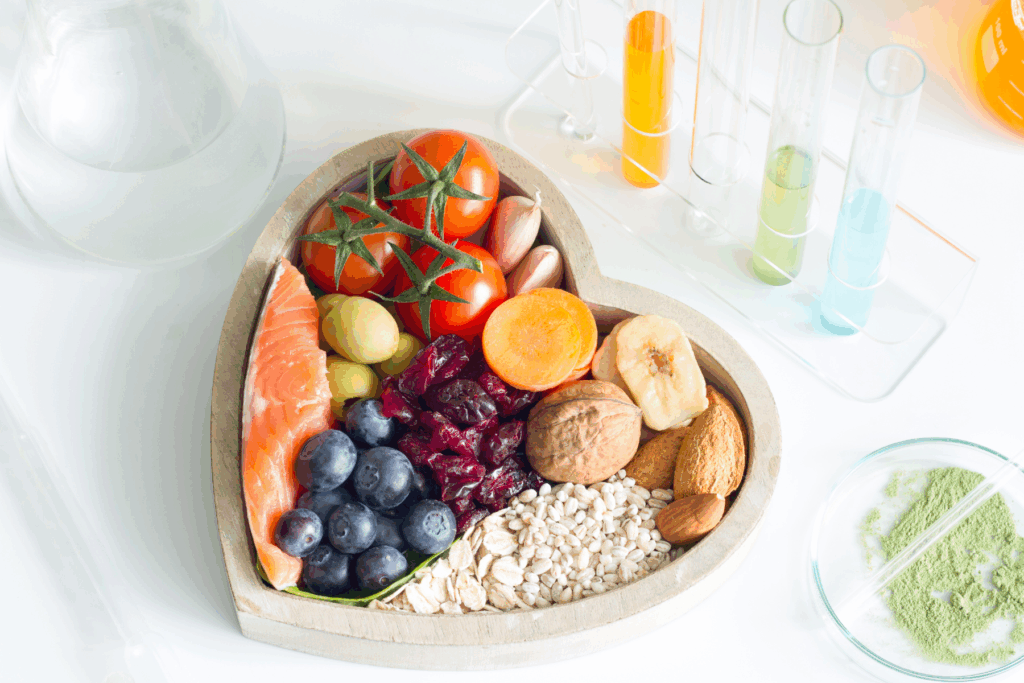
- High-quality protein (eggs, poultry, fish, beans, tofu, Greek yogurt) to support tissue repair
- Healthy fats (avocado, nuts, seeds, olive oil) to help reduce inflammation and support hormone health
- Colorful fruits and vegetables for antioxidants and micronutrients
- Whole grains for sustained energy
Many new mothers unintentionally under-eat because they’re busy caring for their baby. But recovery requires consistent nourishment throughout the day, even if that means simple meals and snacks.
Iron Repletion Matters More Than You Think
Blood loss during delivery is common, and many women enter the postpartum period already somewhat depleted in iron.
Low iron can contribute to:
- Fatigue
- Brain fog
- Weakness
- Mood changes
- Delayed recovery
Iron-rich foods to prioritize include:
- Lean red meat
- Chicken or turkey
- Lentils and beans
- Spinach and leafy greens
- Iron-fortified cereals
Pairing iron-rich foods with vitamin C sources (like citrus, strawberries, or bell peppers) and fermented foods (like yogurt, kefir, or sauerkraut) can improve absorption.
Some women may also benefit from iron supplementation, especially if anemia was present during pregnancy or after delivery. This is something your care team can help guide.
Eating for Lactation
If you are breastfeeding, your nutritional needs increase significantly.
Breastfeeding can require an additional 400–500 calories per day, depending on milk production and your body’s needs.
Key nutrients that support lactation include:
- Protein for milk production
- Calcium for bone health
- Omega-3 fatty acids for infant brain development
- Hydration, which is critical for milk supply
Many new moms notice they feel much hungrier than usual while breastfeeding. This is normal and reflects your body’s increased energy demands.
Simple snack ideas that support lactation include:
- Greek yogurt with fruit
- Oatmeal with nuts and seeds
- Hummus with vegetables
- Peanut butter on whole grain toast
- Smoothies with protein and healthy fats
Hormones Are Shifting — Nutrition Can Help
After delivery, estrogen and progesterone levels drop rapidly. These hormonal changes can influence mood, metabolism, energy levels, and appetite.
Balanced meals that include protein, fiber, and healthy fats can help stabilize blood sugar and support more consistent energy throughout the day.
Omega-3 fatty acids (found in salmon, walnuts, and chia seeds) may also help support brain health and mood regulation during this transition.
It’s also important to remember that sleep deprivation and stress affect hunger hormones, which can make eating patterns feel unpredictable in the early weeks postpartum.
Sustainable Weight Loss Comes Later
Many women feel pressure to “bounce back” quickly after having a baby. But the postpartum period is not the time for restrictive dieting.
In fact, aggressive calorie restriction can interfere with healing, energy levels, and milk supply.
A more supportive approach is to focus first on:
- Nourishing your body consistently
- Rebuilding strength
- Stabilizing energy levels
- Supporting hormone recovery
For most women, gradual and sustainable weight loss happens naturally over time once the body has recovered and routines stabilize.
The Takeaway
The postpartum period is a time of enormous change. Your body is recovering, adapting, and supporting a new life.
Nutrition during this phase isn’t about strict rules — it’s about giving your body the support it needs to heal, rebuild, and thrive.
Every woman’s postpartum experience is different, and personalized guidance can make a meaningful difference in how you feel during this transition.
Postpartum nutrition consults available
If you’re navigating the postpartum period and want personalized guidance on healing, lactation nutrition, hormone balance, or sustainable weight loss, our team is here to help.
Postpartum nutrition consultations with Registered Dietitian Tamsin Jordan are available at Viva Eve.
Together, we can create a nutrition plan that supports your recovery — and your new chapter.